How to acclimatize above 3,000m: symptoms, ascent and when to descend
A plain-language overview of acclimatization and altitude illness for Himalayan travel. This page is not medical advice and is pending clinical review.
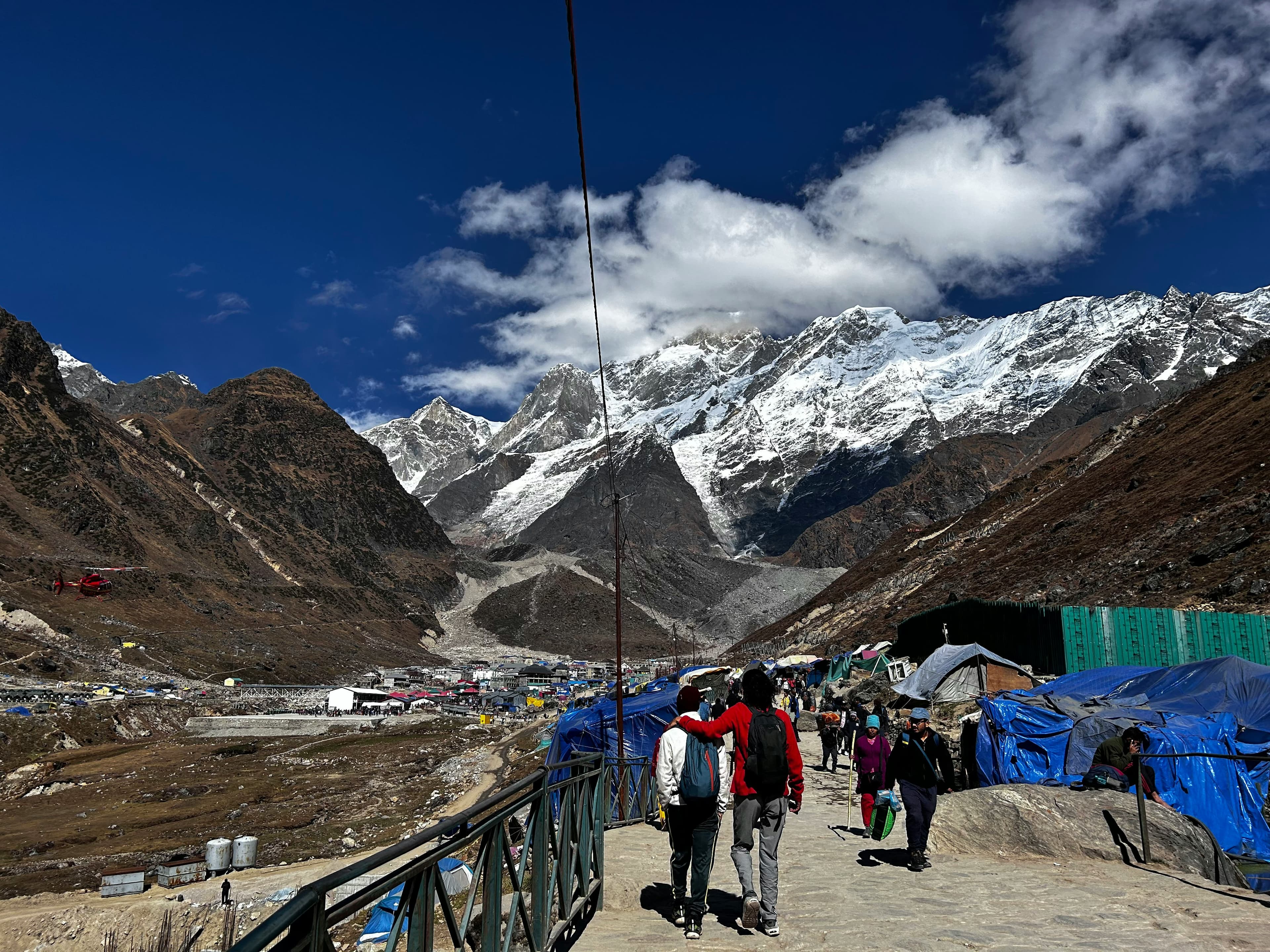
High-altitude itineraries in the Himalaya often compress a large gain into one or two days. Kedarnath, for example, finishes at 3,583m after travellers have approached from much lower towns. That makes ascent planning a safety question, not merely a comfort preference.
Use this guide to understand warning signs and the importance of stopping ascent. It does not replace a clinician, an experienced trek leader or emergency services.
The safest recurring principles are simple: ascend gradually where the route allows, never climb higher with worsening symptoms, and treat confusion, poor coordination or breathlessness at rest as an emergency requiring descent and medical help.
What actually happens to your body above 3,000m
At sea level, atmospheric pressure pushes a full column of air into your lungs with each breath. At 3,000m, pressure drops to about 70% of sea level. At Kedarnath's altitude of 3,583m, you are getting roughly 65% of the oxygen you would get in Dehradun. The air is still 21% oxygen - that never changes - but each breath delivers significantly less of it to your blood.
Your body has responses available: it breathes faster, increases heart rate, and over days begins producing more red blood cells. These are healthy adaptations, but they take time. The problem is that most people on a one-week trip from Delhi or Mumbai do not give their bodies that time.
When you ascend faster than your system can compensate, the oxygen deficit causes blood vessels in the brain to dilate (which creates the characteristic headache) and fluid to shift out of your capillaries into surrounding tissue. When that fluid accumulates in the brain, it is cerebral edema. When it accumulates in the lungs, it is pulmonary edema. Both are serious.
Here is what matters for planning: individual sensitivity to altitude varies significantly and cannot be reliably predicted by fitness, age, or previous altitude experience. I have been symptom-free on one Kedarnath trip and symptomatic on another at similar fitness levels. The variables are complex. The only reliable protection is controlling your ascent rate. Fitness is not a substitute for that.
Recognizing AMS before it gets serious
Acute Mountain Sickness (AMS) is what most people mean when they say "altitude sickness." It is the common, manageable version. Catch it early and it resolves in 24 to 48 hours with rest. Ignore it and it progresses.
Headache is the cardinal symptom. Not a vague heaviness - a real headache, usually throbbing, that worsens with exertion or bending over. If you develop a headache within 6 to 12 hours of arriving at a new altitude, that is AMS until proven otherwise.
Possible mild AMS: headache plus another symptom after a recent ascent. Stop ascending, rest, monitor the person and seek medical advice. Do not use pain relief to mask symptoms and continue climbing; follow the medicine label and your clinician's advice.
Worsening symptoms, pronounced nausea or difficulty with basic tasks require a conservative response. Do not ascend. Arrange medical assessment and descend if symptoms worsen or fail to improve; prescription treatment must follow a clinician or an established expedition medical protocol.
Severe AMS: Any symptom that is getting worse despite rest, or severe headache plus vomiting plus extreme fatigue. Descend immediately.
The pattern I see repeatedly on the Kedarnath trail is pilgrims who are clearly symptomatic continuing to climb because they have flown in from Bangalore and this is their only week off. That logic is understandable and the wrong call. AMS that is pushed through does not stay AMS.
HACE and HAPE: the two that require immediate action
HACE (High Altitude Cerebral Edema) and HAPE (High Altitude Pulmonary Edema) are uncommon at Kedarnath and Chopta altitudes but they do happen. Knowing the signs is non-negotiable if you are going above 3,000m with any group.
HACE is severe AMS that has progressed to the point where the brain is swelling. The defining symptom is ataxia - loss of coordination. Test it this way: walk heel-to-toe in a straight line for 10 steps on flat ground. If the person cannot do it, or if they are confused, disoriented, have slurred speech, or are unusually drowsy, that is HACE.
HACE at altitude is an emergency. Descend immediately and as far as safely possible - ideally 1,000m or more. If you have a portable altitude chamber (Gamow Bag), use it while descent is being organized. SDRF Uttarakhand runs rescue operations on the Kedarnath route; their number is 1070. The general disaster helpline is 112.
HAPE is fluid accumulating in the lungs and it is more common than HACE, and kills more people. The early signs are subtle: unusual breathlessness with mild exertion, a dry persistent cough, a feeling that you cannot get a full breath even when sitting still. As it develops: a wet cough (sometimes with pink or frothy mucus), visible labored breathing, and in advanced cases you can hear crackling sounds in the chest.
HAPE often develops during the second night at a new altitude - people wake up struggling to breathe. If that happens, get the person sitting upright and begin descent immediately. Do not wait for morning.
Emergency medicines may be used by trained clinicians or expedition teams under established protocols, but this page does not provide a self-treatment regimen. The priorities are recognition, immediate descent when safe, supplemental oxygen when available, emergency assistance and professional medical care.
HACE and HAPE are life-threatening. If someone cannot walk heel-to-toe, is confused, or is breathless at rest, descend immediately. Do not wait for morning. Call SDRF at 1070.
Ascent rate rules that actually work
Above 3,000m, the rule that works is this: do not increase your sleeping altitude by more than 300 to 500m per day.
That is sleeping altitude, not your maximum altitude of the day. You can hike higher during the day as long as you return to sleep lower. This is the "climb high, sleep low" principle and it works because acclimatization happens most effectively during sleep, when your body consolidates the physiological changes.
On the Kedarnath route from Dehradun, a sensible schedule looks like this:
The majority of trekkers reach Kedarnath in 2 days from Rishikesh, which puts them at 3,583m on day 2. For fit, experienced trekkers with no AMS history, this often works. For everyone else, sleeping a night at Guptkashi before the trek start is a meaningful risk reduction.
The second rule: take one rest day for every 1,000m gained above 3,000m. For a short Kedarnath trip this is not very applicable. It matters significantly for treks heading to 5,000m or above.
The third rule, and the hardest to follow: do not ascend with AMS symptoms. If you wake up at Gaurikund with a headache, do not start the trek. Spend the day at 2,039m, drink water, rest, and reassess the next morning. Ascending while symptomatic is the mechanism by which AMS becomes HACE. Read the full Kedarnath planning guide for day-by-day logistics including the Gaurikund overnight option.
Sleeping a night at Guptkashi before the trek is the single most effective thing most trekkers can do to reduce AMS risk on the Kedarnath route. It costs one extra night of accommodation and could save your entire trip.
Acetazolamide (Diamox): discuss it before the trip
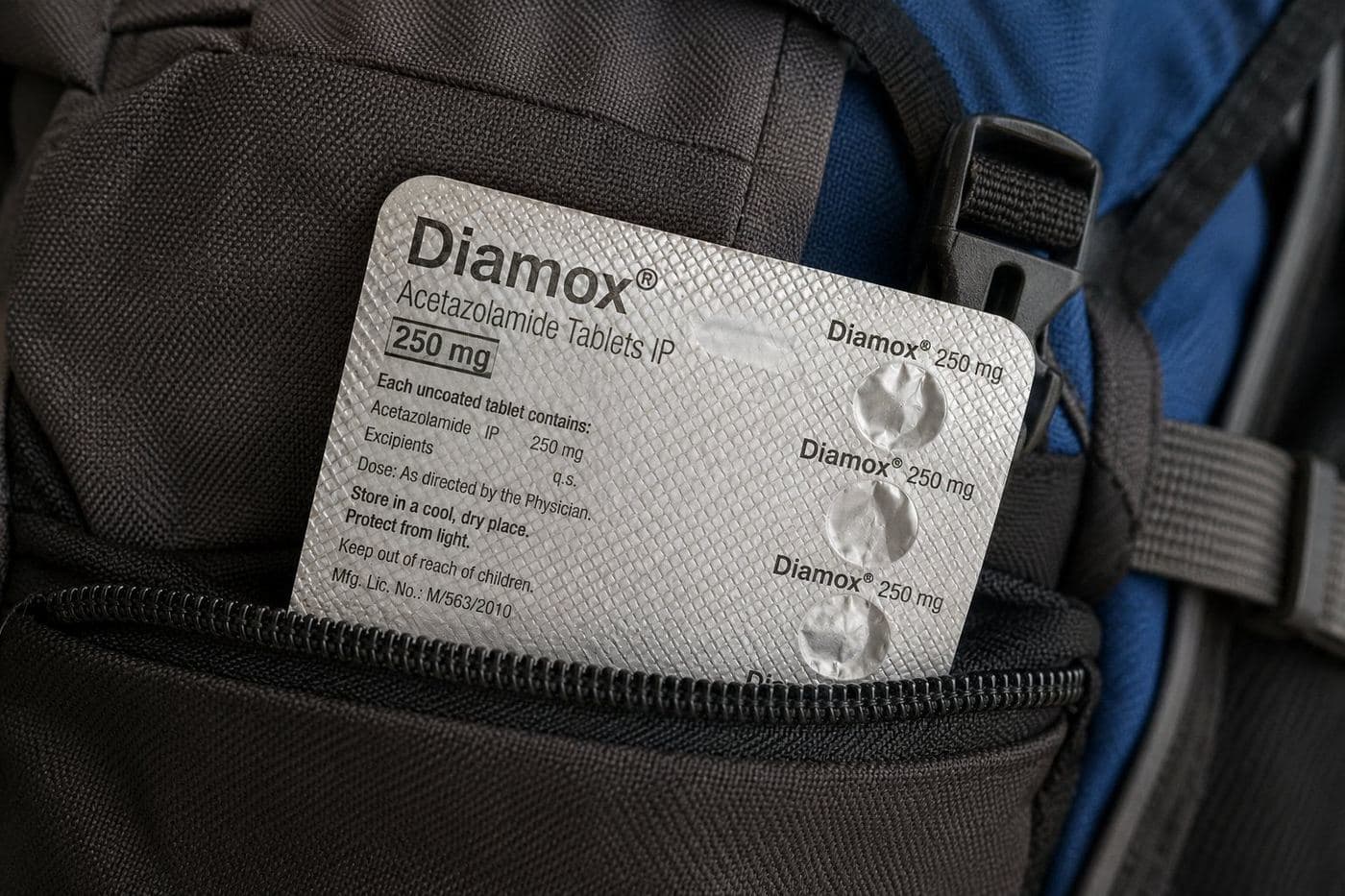
Prescription decisions belong with a qualified clinician who knows your health history and itinerary.
Acetazolamide can speed acclimatization and is used in some prevention and treatment plans. It is not a substitute for a conservative ascent, and taking it does not make worsening symptoms safe to ignore.
Whether it is appropriate, the dose and the timing depend on the itinerary, medical history, other medicines, pregnancy status and prior reactions. Discuss those details with a qualified clinician before the trip rather than buying it on the route and self-prescribing.
A clinician can also explain expected effects such as tingling, increased urination and altered taste, and the symptoms that require stopping the medicine or seeking urgent care.
Most importantly, medication does not grant permission to continue ascending with altitude illness. Worsening symptoms still mean stop, reassess and seek help; severe symptoms require descent and emergency care.
Do not self-prescribe acetazolamide from this page. Tell a clinician about all allergies, kidney or liver problems, pregnancy, and other medicines. Seek urgent care for a severe reaction or rapidly worsening illness.
Hydration at altitude
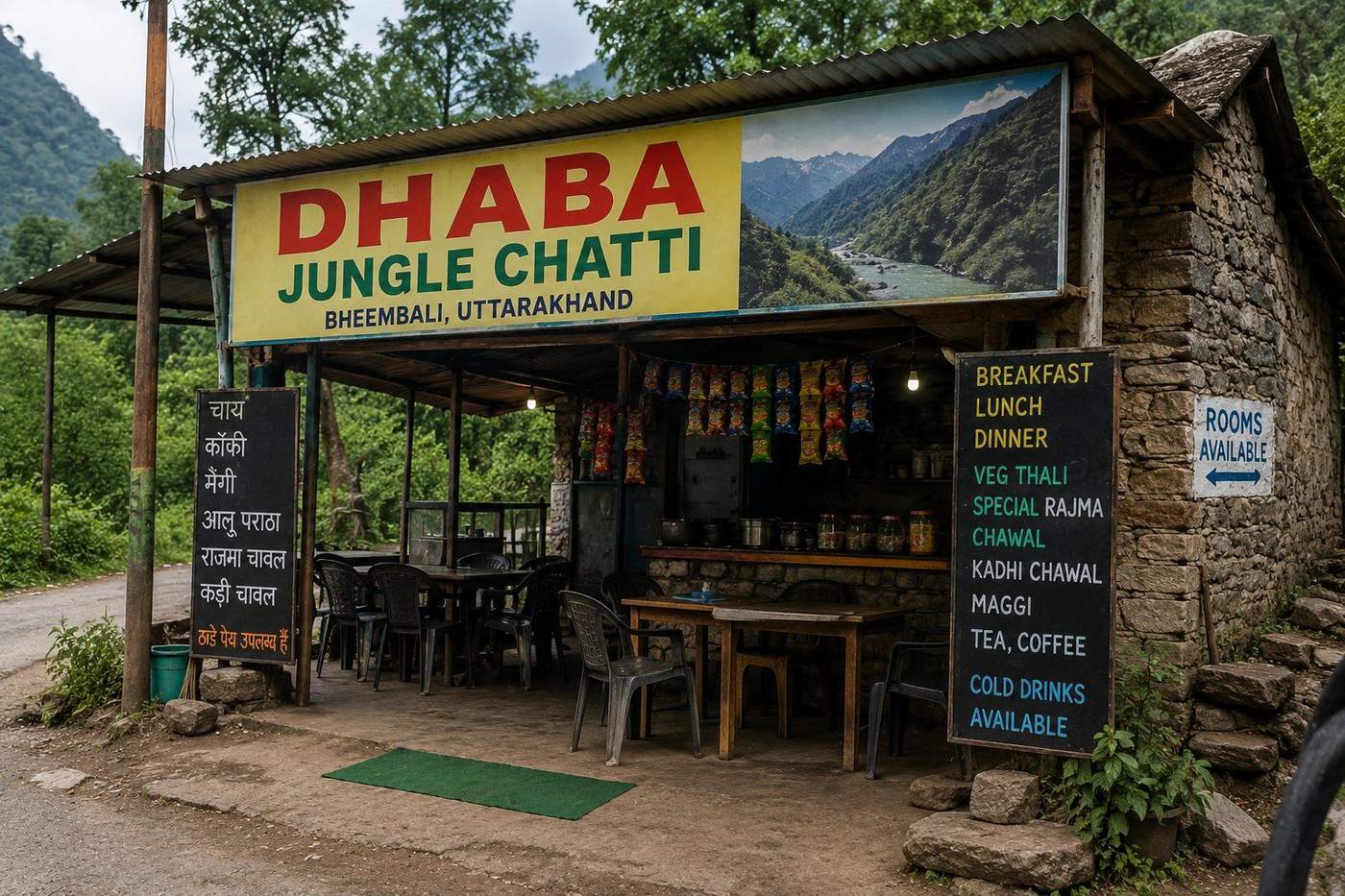
Dhaba at Jungle Chatti - tea, Maggi, and water refills on the Kedarnath trail
You lose more water at altitude than at sea level: faster breathing means more moisture leaving your lungs with every exhale, and lower humidity accelerates it further. The general guide is 3 to 4 liters of water per day while trekking above 3,000m.
The practical difficulty is that both thirst and appetite decrease at altitude. You genuinely do not feel like eating or drinking at the exact time when eating and drinking matter most. If you are on the Kedarnath trail and you realize you have not drunk anything in 2 hours, that is already too long.
What to drink: Water and oral rehydration salts (ORS). Electrolyte tablets dissolved in water work equally well. A useful pattern on heavy trek days: drink one ORS packet per liter, every 2 to 3 hours. The dhabas at Jungle Chatti, Bheembali, and Linchauli all serve hot tea and can refill bottles - you do not need to carry more than 1.5 liters at a time on the Kedarnath route.
Caffeine is a common question. The evidence on caffeine at altitude is genuinely mixed. I drink tea on every mountain trip without obvious problems. What you should not do is use caffeine to push through fatigue that is actually an AMS symptom.
Check the packing list for 4,000m treks for the specific ORS brand I carry and electrolyte options that work.
AMS vs HACE vs HAPE: symptoms and response at a glance
The key point from this table is the change in urgency. Possible AMS means no further ascent and careful monitoring. Confusion, loss of coordination or breathlessness at rest can indicate life-threatening illness: descend when safe, call for help and seek professional medical care.
| AMS | HACE | HAPE | |
|---|---|---|---|
| What it is | Common altitude sickness | Brain swelling | Fluid in the lungs |
| Primary symptom | Headache | Ataxia, confusion | Breathlessness at rest |
| Other signs | Nausea, fatigue, poor sleep | Severe headache, drowsiness, slurred speech | Wet cough, crackling chest, blue lips |
| Typical onset | 6 to 12 hours after arriving | AMS that progresses | Second night at new altitude |
| Risk level | Low to moderate | Life-threatening | Life-threatening |
| First action | Stop ascending; assess | Emergency descent and care | Emergency descent and care |
| Medicine | Follow a clinician's plan | Trained medical protocol | Trained medical protocol |
| Common at 3,500m? | Yes, frequently | Rare but occurs | Rare but occurs |
When to descend: the lines you do not negotiate
This is the part that matters most, and the part that is hardest in practice because altitude impairs judgment, and social pressure from the group or from sunk costs is real.
How far to descend: 300 to 500m resolves most AMS. For HACE or HAPE, descend as far and as fast as you can move safely - these conditions do not plateau, they progress. At Kedarnath specifically, SDRF Uttarakhand (1070) and the general disaster helpline (112) cover rescue operations. A basic medical post exists at the base camp area near the temple. Do not treat it as a reason to delay descent in serious cases - it handles minor issues, not HACE or HAPE.
For route logistics before your trip, read the Kedarnath safety and emergency guide and save the trip dashboard with emergency contacts for offline access.
Pulse oximeter: the one piece of gear worth carrying
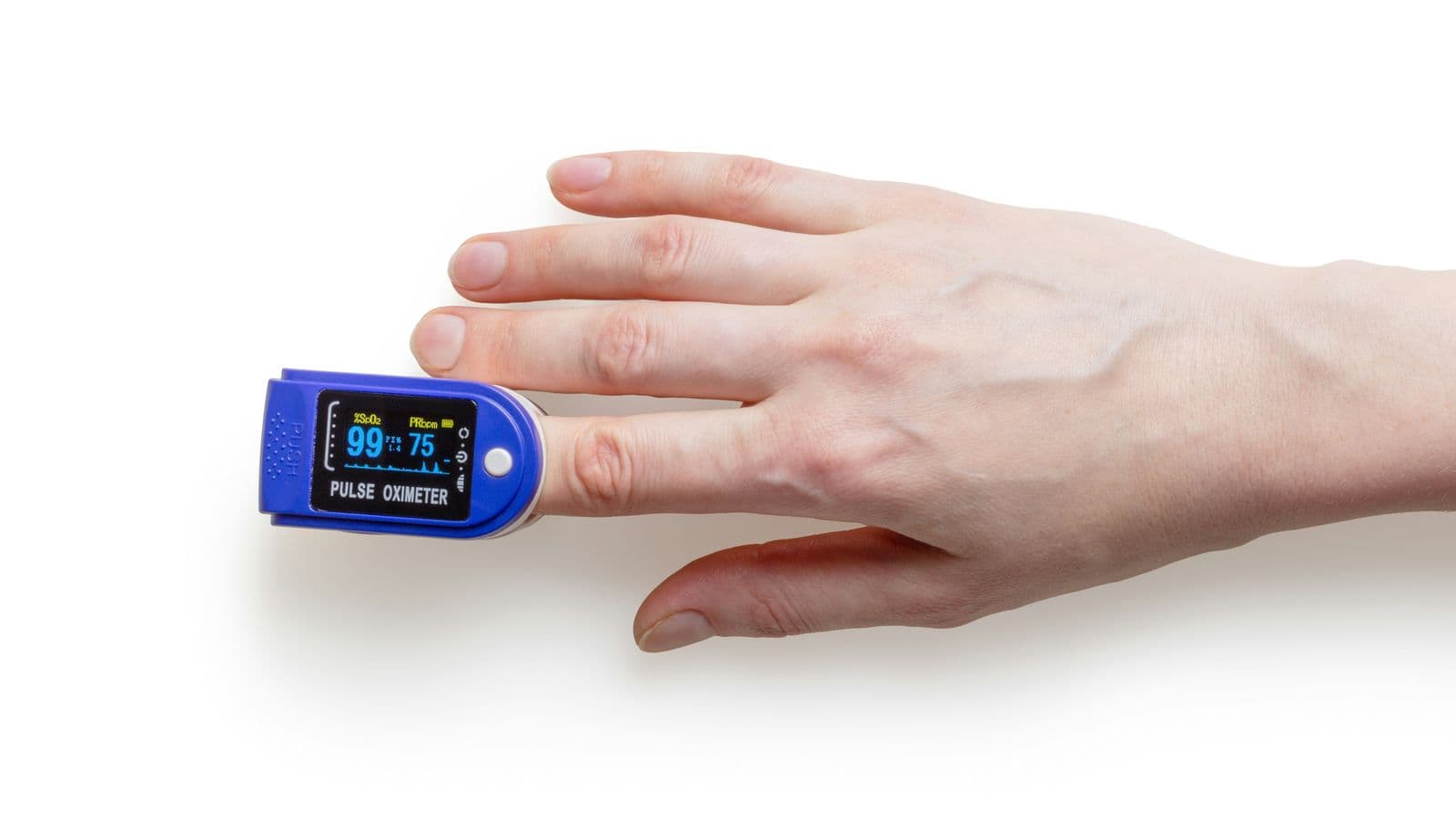
A basic pulse oximeter - Rs. 800 to Rs. 1,500, weighs 35 grams
A pulse oximeter estimates blood oxygen saturation (SpO2), but cold fingers, movement, nail products, circulation and device quality can distort the reading. Expected values also change with altitude and the person.
An oximeter does not diagnose or rule out altitude sickness, and a seemingly reassuring number must never override symptoms. If you carry one, ask a clinician or trained trek leader how to take repeat readings and interpret them in context.
Take readings at the same time each day for comparison: morning readings right after waking are typically the lowest and most informative. If morning SpO2 drops more than 5 points below the previous day's reading, pay attention.
A reliable finger pulse oximeter costs Rs. 800 to Rs. 1,500. The Dr. Trust 202 and Contec CMS50D both read accurately at altitude (some cheaper models do not). I have carried one for 3 years and it is 35 grams and the size of a matchbox. See the gear recommendations for a specific buy link.
Before your trip, go through the Char Dham e-pass and registration process and check road conditions on the Rishikesh to Kedarnath route if you are traveling in July or August.
Take readings at the same time each day. Morning readings right after waking are the most informative. If your SpO2 drops more than 5 points below the previous day, that is a signal to stop ascending.
Frequently asked questions
Does being fit mean I will not get altitude sickness?
No. Cardiovascular fitness has almost no correlation with altitude sensitivity. Fit people develop AMS just as frequently as unfit people - the mechanisms are physiological, not fitness-dependent. Do not use a strong fitness base to justify compressing your acclimatization schedule.
Can I take Diamox if I am pregnant?
Do not self-start it. Pregnancy and high-altitude travel require individual advice from an obstetric clinician who can weigh your health, the itinerary and the available evidence.
What is the minimum practical acclimatization for Kedarnath?
For most people, one night at Guptkashi (1,319m) before the trek day gives a meaningful baseline. If you have any history of AMS or are coming from sea level with no altitude in the previous month, add a night at Gaurikund (2,039m) before you start the 16 km to the temple.
Does alcohol really affect acclimatization that much?
Yes. Alcohol suppresses the increased breathing rate your body uses to compensate for lower oxygen, disrupts sleep architecture (which is when acclimatization consolidates), and masks early AMS symptoms. Drinking at altitude consistently will slow your adaptation and worsen any symptoms you already have.
Is Diamox the same as a sleeping pill?
No, it is the opposite. Diamox stimulates breathing and prevents the drop in blood oxygen that naturally occurs during sleep at altitude. Sleeping pills suppress breathing and make nocturnal desaturation worse. Do not take sleeping pills at altitude.
I felt completely fine last time I went to Kedarnath. Does that mean I am safe this time?
Not necessarily. Altitude sensitivity varies between trips for the same person. Factors like overall health, recent illness, sleep debt, and how quickly you ascended all play a role. Previous successful acclimatization is a good data point but not a guarantee. Follow the same ascent rules regardless.
What should I eat when I have AMS symptoms?
High-carbohydrate foods are easier to metabolize at altitude than fats or proteins. Eat even if you do not want to - loss of appetite is a symptom, not a reason to skip meals. Maggi, rice, roti, dal: the standard dhaba fare on the Kedarnath trail is actually appropriate nutrition at altitude. If you cannot keep anything solid down, ORS in water and clear broth until you feel better.
When should I see a doctor before going to altitude?
Seek pre-travel medical advice if you have a heart or lung condition, high blood pressure, kidney disease, are pregnant, take regular medicine, or have a history of severe altitude illness. Consult a clinician before taking acetazolamide.
Last updated: 2026-09-30
Where this guide applies
Destinations