Best shoes for Vaishno Devi trek
13 km uphill on paved and rough path: shoes with the grip and cushioning to survive it, without breaking the bank. Six tested picks.
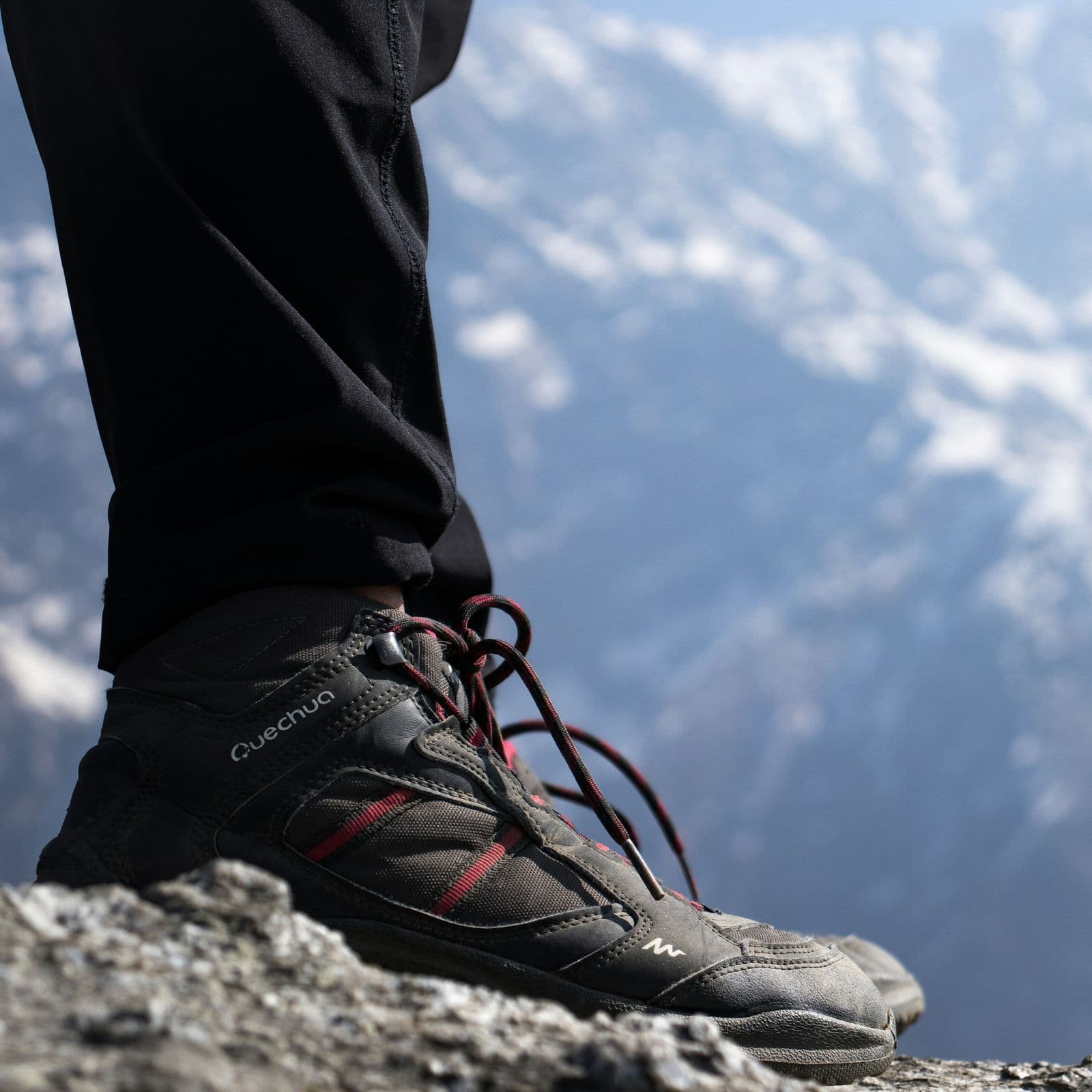
The Vaishno Devi yatra is not a wilderness trek. From Katra at 1,584m up to the Bhawan, the trail is paved - concrete paths, cut stone steps, and near the shrine itself, polished marble. You pass chai stalls, crowd control barriers, loudspeakers, and tens of thousands of other pilgrims. Thinking about this trip the same way you would think about a Kedarnath or Chopta trek leads to the wrong shoe choices. And yet, footwear still matters enormously on this trail. I was standing near the inner sanctum steps on a morning when the marble was wet from overnight cleaning, watching a man in rubber slippers attempt the steps. He went down on the third step. His knee hit the marble. A few meters away, a woman in low-cut trail runners moved through the same stretch without a second thought, her outsole gripping the slick surface. That image - rubber slipper on wet marble versus trail runner on wet marble - is the entire footwear argument for Vaishno Devi condensed into about eight seconds.
Detailed reviews
1. Adidas Terrex AX2R (Low Cut)
Best grip✓ Pros
+ AdiWear outsole grips wet marble and polished stone well
+ Continental rubber compound - the same used on car tires
+ Good midsole cushioning for 26 km of paved walking
+ Works as both trail and urban shoe after the yatra
✕ Cons
– No waterproofing on base model - mesh upper
– Rs 4,499-4,999 is the highest price for a pilgrimage shoe
– Only dips under Rs 5,000 during Amazon sales
– Low cut offers no ankle support
2. Quechua NH500 Waterproof (Low Cut)
Best overall✓ Pros
+ Waterproof membrane keeps feet dry in monsoon queues
+ Good outsole grip on wet concrete and stone
+ Comfortable from day one - minimal break-in
+ Rs 2,999 is good value for waterproof + grip
✕ Cons
– Low cut - no ankle support on rough sections
– Slightly heavier than the Adidas at 620g
– Waterproofing means less breathability in summer heat
3. Skechers GoWalk 5
✓ Pros
+ Best cushioning on this list - GOwalk insole is genuinely comfortable
+ Ultra-lightweight at 450g per pair
+ Slip-on convenience for temple protocols
+ Works as a daily walking shoe
✕ Cons
– Outsole grip on wet marble is below average
– No waterproofing - mesh upper soaks through
– No ankle support
– Not designed for any terrain rougher than pavement
4. Quechua Arpenaz 50 Hiking Shoe
Budget pick✓ Pros
+ Rs 1,499 is the best value on this list
+ Decent outsole for paved and stone surfaces
+ Available at Decathlon - try before buying
+ Light at 550g
✕ Cons
– No waterproofing
– Cushioning is basic - fatigue sets in on the descent
– Outsole not as grippy as NH500 or Terrex on wet surfaces
– Build quality is one-two season
5. Woodland GH Series (Mid-Cut)
✓ Pros
+ Mid-cut provides ankle support on rough sections
+ Leather upper is durable
+ Woodland brand recognition in India
+ Works for light trail and urban use
✕ Cons
– Heavy at 800-900g per pair
– Leather needs break-in period of 5-7 days
– Outsole grip on wet polished stone is mediocre
– Not designed for sustained walking - fatigue from weight
6. Campus Hurricane II
✓ Pros
+ Widely available and affordable
+ Light at 500g
+ Adequate for dry paved surfaces
✕ Cons
– Minimal outsole grip on wet stone
– No waterproofing - mesh upper
– Reports of sole separation on the descent
– Cushioning inadequate for 26 km
Buying guide
What the Vaishno Devi trail actually demands from a shoe
13 km each way. Total elevation gain roughly 1,200m. Surface is 85% paved (concrete, stone steps, marble) and 15% packed earth or rough stone on the newer sections. The key demand is grip on wet polished stone - not mud, not scree, not loose gravel. This is fundamentally different from what a Kedarnath shoe needs.
Cushioning matters more here than on a mountain trek because the surface is hard and repetitive. 26 km of walking on concrete and stone with 2,400m of cumulative vertical stresses knees and ankles differently than soft trail. A shoe with good midsole cushioning reduces fatigue significantly.
Bottom line
Best overall for Vaishno Devi: Quechua NH500 Waterproof at Rs 2,999 - grip, waterproofing, and comfort for the full 26 km. Best grip on wet marble: Adidas Terrex AX2R at Rs 4,499-4,999 on sale. Best for joint issues: Skechers GoWalk 5 for cushioning, but watch the wet marble. Budget: Quechua Arpenaz 50 at Rs 1,499 for a single trip. Never wear rubber slippers, leather sandals, or flat-soled sneakers on this trail. The marble steps at the Bhawan are the test, and the wrong sole fails it painfully.
Trips this gear is for
Destinations
Full packing checklists
tick items off as you buy