Best jackets for Kedarnath trek
Windproof vs down vs rain shell for Kedarnath at 3,583m in June. Which layers you need, what to skip, and eight picks with India prices.
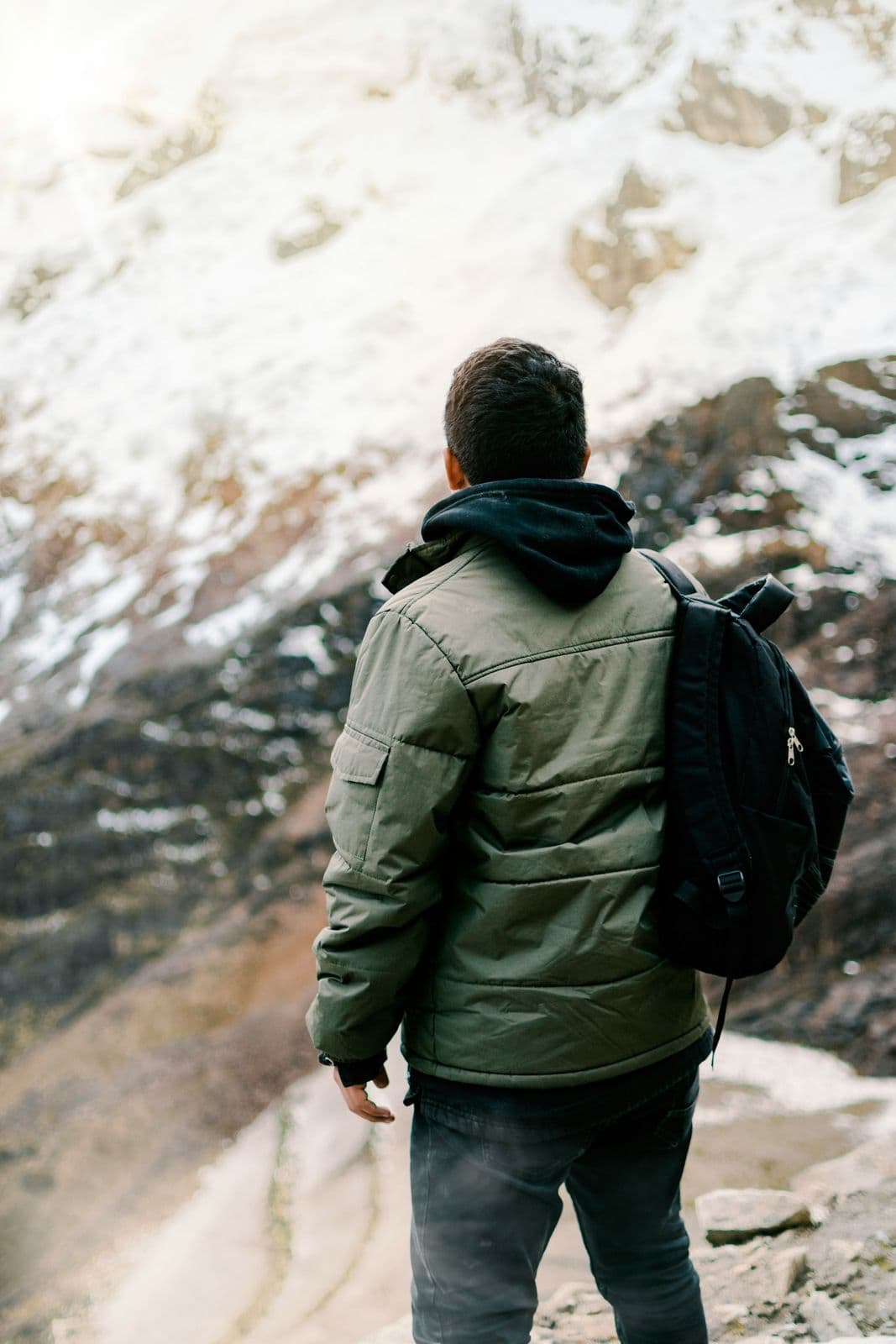
The Kedarnath trail in June does not give you a single weather problem. It gives you three. By 7 am at Gaurikund, you are walking in 12C with a light wind and thinking the fleece you packed is too warm. By 11 am at Jungle Chatti you are in cloud, the temperature has dropped four degrees in twenty minutes, and the trail surface has gone from dust to wet mud. By 2 pm - if you push past Bheembali - you might be walking into sleet at 3,200m with the wind coming directly off the glacier. I have done this route twice and got the layering wrong the first time in a way that still annoys me. That first trip I had a good fleece, decent thermals, and a cheap waterproof I bought off a roadside stall in Rishikesh. The "waterproof" failed around Rambara. By the time I reached the Bheembali dhaba at roughly 3,200m, I was soaked through to my base layer. It was not dangerous that day, but it made me understand exactly what a proper shell layer is for. This article covers the specific jacket problem on the Kedarnath route: what the weather actually looks like at 3,583m in June, and which jackets at Indian price points actually solve it. I have tested or used four of the five jackets reviewed here on Uttarakhand routes. All prices are current at the Decathlon on Rajpur Road in Dehradun or Amazon India.
Detailed reviews
1. Forclaz MT500 Hardshell
Best overall✓ Pros
+ 20,000mm hydrostatic head - genuine waterproofing, not marketing waterproofing
+ Fully taped seams - water cannot find its way through
+ Pit zips for ventilation on sustained uphills
+ Pockets accessible when wearing a hipbelt
✕ Cons
– No insulation - shell only, cold worn alone in 5C
– Not ultralight packable - does not compress to fist-size
– 650g is mid-range weight, not featherweight
2. Quechua MH500 Softshell
✓ Pros
+ Stretchy and comfortable for sustained movement
+ Good wind resistance on exposed ridgelines
+ DWR coating handles light drizzle well
+ Layers cleanly under a hardshell if conditions escalate
✕ Cons
– DWR wets out under 30-40 minutes of sustained rain
– Not sufficient as the only jacket for Kedarnath
– 550g adds weight if you are already carrying a hardshell
3. Quechua MH100 Fleece
Best value✓ Pros
+ Genuinely non-negotiable mid-layer at Rs 1,499
+ Retains warmth even when partially damp (unlike down or cotton)
+ Lightest jacket at 400g, compresses small
+ Dries fast on the trail
✕ Cons
– Wind penetrates the open weave on exposed sections
– Wet fleece is less warm than dry fleece
– Must be paired with a shell for full protection
4. Trek 100 Down Jacket
✓ Pros
+ Excellent warmth for camp evenings and rest stops
+ 650-fill duck down - adequate for 0-5C when layered
+ Packs into its own pocket, size of a 1-litre Nalgene
+ Good value vs branded alternatives at Rs 8,000-15,000
✕ Cons
– Not a hiking jacket - you will overheat within 20 minutes of uphill
– Down collapses when wet, losing insulating value
– Delicate outer fabric not designed for rain or abrasion
5. Wildcraft Kaza Softshell
Budget pick✓ Pros
+ Indian brand widely available on Amazon
+ Comparable wind resistance to Quechua MH500
+ DWR coating handles light rain adequately
+ Viable option where Decathlon is not accessible
✕ Cons
– Zipper durability issues reported consistently in reviews
– 50g heavier than MH500 at 600g
– Slimmer fit may require sizing up for layering
Buying guide
What June at 3,583m actually means for jackets
Temperature range: Days run 8-15C at the temple. Nights at camp drop to 0-5C, sometimes lower if clouds clear and radiation cooling kicks in. Wind chill on exposed sections above 3,000m can push the felt temperature below zero even at midday.
Precipitation: June sits before peak monsoon but weather systems move fast through the valley. Afternoon thunderstorms are common, and rain can start in twenty minutes from a clear sky. At altitude, rain can turn to sleet.
Wind: The trail crosses several exposed ridgelines, particularly above Jungle Chatti. Wind speeds are unpredictable and can make a 10C temperature feel like 2-3C through windchill. A non-windproof fleece on an exposed section loses its thermal value quickly.
The three-layer system applied to Kedarnath
Layer 1 - Base layer: Manages sweat moisture. A base layer in merino wool or synthetic wicking fabric keeps moisture off your skin.
Layer 2 - Mid-layer: Traps warm air close to your body. A fleece or down jacket fills this role. The key requirement is that this layer must not absorb water.
Layer 3 - Outer shell: Blocks wind and water. This layer does not need to be warm on its own. Its job is to keep your mid-layer dry and functional. A hardshell does this best. A cheap waterproof does not reliably do it at all.
The system works because the layers work together. A good fleece with a failing outer shell is worse than no fleece at all once it gets wet.
Bottom line
Minimum setup: MH100 fleece (Rs 1,499) + MT500 hardshell (Rs 4,999) = Rs 6,498, weight 1,050g. This handles rain, wind, and cold through the full day on the Kedarnath trek. Add the Trek 100 down jacket (Rs 3,999) for camp evening comfort. Total three-piece system: Rs 10,497, weight 1,500g. That covers the full temperature range from 18C afternoon sunshine to 0C night at camp, with reliable waterproofing for sustained mountain rain.
Trips this gear is for
Destinations
Full packing checklists
tick items off as you buy