Best first aid kits for travel
Pre-built vs DIY first aid kits for Indian treks. Diamox, ORS and the altitude essentials most pharmacy kits leave out entirely.
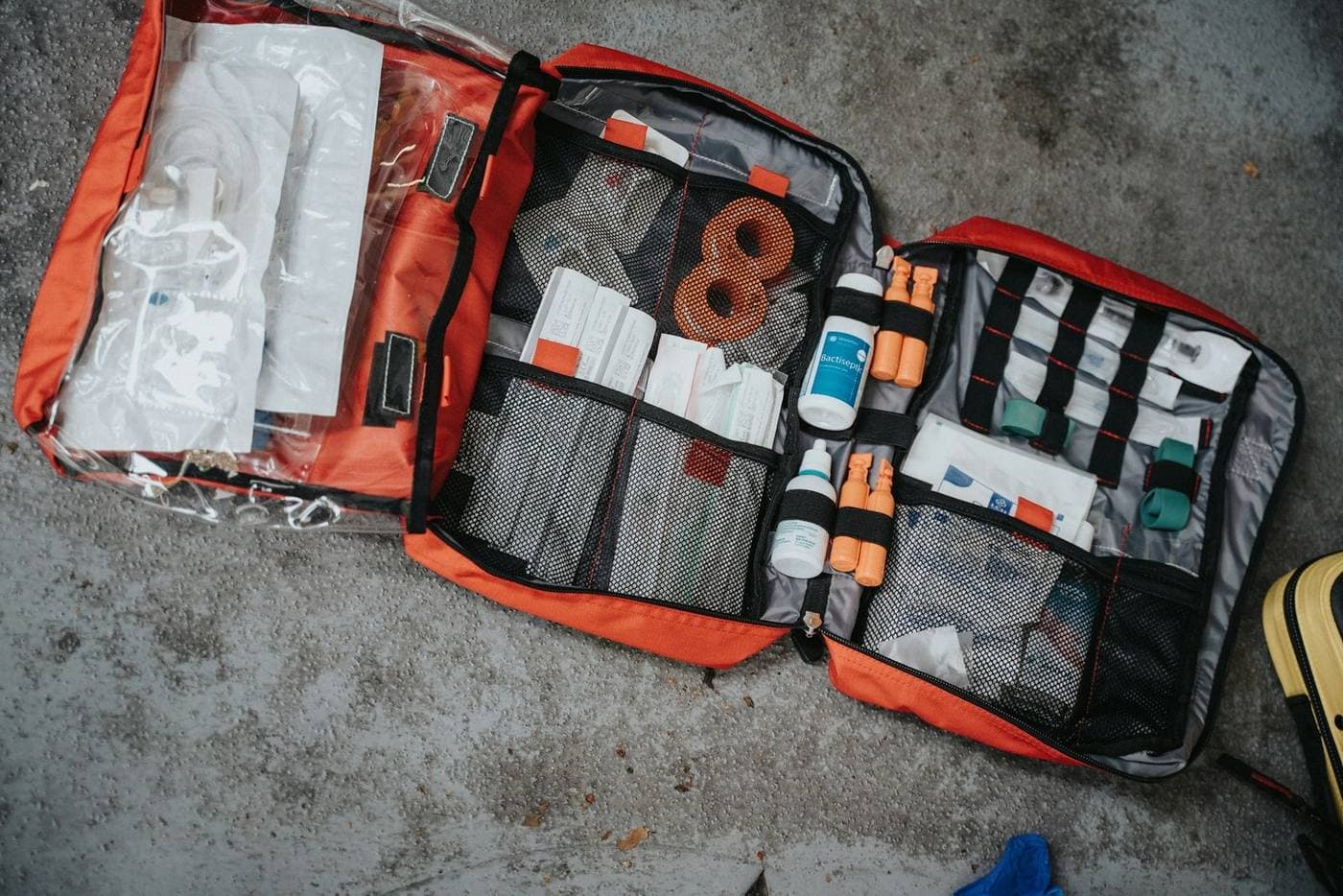
Here is the honest situation in small-town Himalayan pharmacies: if you arrive in Kaza, Keylong, or Guptkashi with a half-empty kit and a problem, you will find cotton wool, regular bandages, paracetamol, Dettol, and ORS sachets. What you will not reliably find: Diamox, blister plasters, elastic crepe bandages, sterile non-stick gauze pads, or waterproof adhesive bandages. I learned this the hard way in Recong Peo. I wanted Diamox as a precaution. The first pharmacy looked at me blankly. The second said he did not stock it. The third was unsure about the dosage. Four shops, forty minutes, and a headache that was making me impatient. I had been planning to pick it up in Shimla but had skipped the pharmacy there. That was the mistake. This guide covers what to pack in a first aid kit for mountain travel in India - pre-built kits vs DIY, altitude-specific additions, and the specific items that small-town pharmacies consistently lack.
Detailed reviews
1. Niscomed First Aid Kit (100 items)
Best base kit✓ Pros
+ Most comprehensive pre-built kit at this price
+ Hard case protects contents in a pack
+ Includes scissors, tweezers, thermometer
+ 100 items covers most basic scenarios
✕ Cons
– No altitude-specific items - no Diamox, no blister plasters
– Includes bulk items you will not use (20+ small bandages)
– Heavy at 650g for the case alone
– Bandage quality is basic
2. Johnson & Johnson First Aid Kit
✓ Pros
+ J&J brand quality on bandages and antiseptic
+ Compact soft pouch - lighter than Niscomed
+ Good antiseptic wipes included
+ Familiar brand with reliable adhesives
✕ Cons
– Fewer items than Niscomed
– No scissors or tweezers
– Still no altitude-specific items
– Soft case offers less protection
3. Decathlon Basic First Aid Kit
Best for trekking✓ Pros
+ Designed for outdoor use - items selected for trail scenarios
+ Lightest kit at 280g
+ Includes blister plasters - rare in pre-built Indian kits
+ Compact roll-up pouch
✕ Cons
– Fewer total items than Niscomed
– No medications included
– Small size means less room for DIY additions
– Basic antiseptic only
Buying guide
Pre-built kit vs DIY: the honest comparison
Pre-built kits save time but almost always lack altitude-specific items. No pre-built kit sold in India includes Diamox, altitude-specific ORS formulations, or blister plasters designed for trekking. They also tend to include items you will never use (latex tourniquets, safety pins, disposable gloves in bulk) while omitting things you definitely will (tape that sticks to sweaty skin, non-stick gauze for trail abrasions).
The practical approach: buy a pre-built kit as a base, then add the altitude-specific items yourself. Total cost: Rs 800-1,500 for a kit that actually handles mountain situations.
Bottom line
Start with the Decathlon Basic Kit (Rs 499) or Niscomed (Rs 999) as a base. Then add: Diamox 250mg x10 tablets (Rs 50-80, buy in Rishikesh or Dehradun), ORS sachets x10 (Rs 100), ibuprofen 400mg x10 (Rs 30), blister plasters x10 if not included (Rs 200-300), elastic crepe bandage x2 (Rs 100), waterproof medical tape (Rs 80), anti-diarrheal tablets x6 (Rs 50), and any personal prescription medications. Total DIY addition cost: Rs 500-700. Total complete mountain first aid kit: Rs 1,000-1,700. Weight: 350-500g. This kit handles everything from blisters to mild AMS to trail falls. It does not handle HACE, HAPE, or fractures - those require descent and evacuation.
Trips this gear is for
Destinations
Full packing checklists
tick items off as you buy