Best backpacks for Chopta–Tungnath
30L vs 50L for Chopta-Tungnath: day pack or multi-day, rain covers, hip belts. Five packs I have carried on Uttarakhand trails.
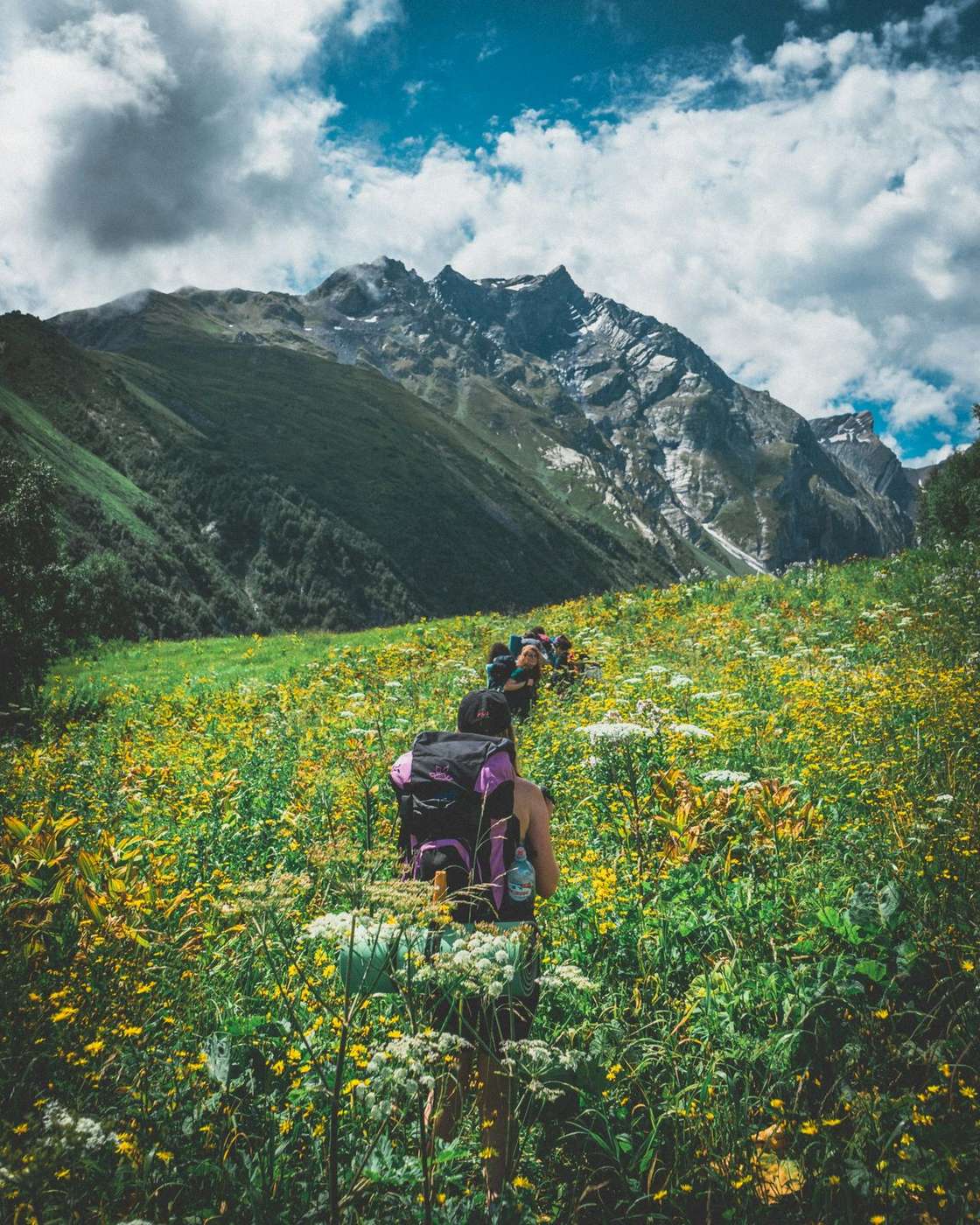
The real packing question for a 3-4 day trip to Chopta is not which brand or which features - it is which size to use when, because the answer changes depending on what part of the trip you are doing. You need something large enough to carry a sleeping bag, thermals, and three days of supplies on the drive up and the walk to camp. You also need something small and controlled on the actual Tungnath approach, which is a steep 3.5 km climb to 3,680m with loose soil and stone steps where a flopping, half-empty pack becomes its own physical problem. I am based in Dehradun, which puts Chopta at roughly 218 km via Ukhimath - a drive of five to six hours. I have done the Chopta-Tungnath-Chandrashila route in three separate seasons and made at least one significant packing mistake on each.
Detailed reviews
1. Quechua NH500 30L
Best value✓ Pros
+ Best balance of size, weight, and features at this price
+ Hip belt distributes load well for a day pack
+ Rain cover included - rare at Rs 1,999
+ Ventilated back panel reduces sweat on steep climbs
✕ Cons
– 30L is tight for multi-day with sleeping bag
– No separate sleeping bag compartment
– Hip belt padding is thin for loads above 8 kg
2. Forclaz MT500 50L
Best overall✓ Pros
+ 50L handles full camping load including sleeping bag and mat
+ Compression straps cinch down to 30L effective volume for summit day
+ Padded hip belt transfers weight to hips properly
+ Front access panel - no digging from the top
✕ Cons
– Rs 4,999 is the second highest price on the list
– 1,400g is heavier than most 30L options
– Overkill if staying in tent accommodation
3. Quechua Arpenaz 30L
Summit day pick✓ Pros
+ Cheapest pack on the list at Rs 1,299
+ Light at 450g
+ Packs flat inside a larger bag for summit day use
+ Simple and functional
✕ Cons
– No hip belt - all weight on shoulders
– No rain cover included
– No ventilated back panel - sweaty on steep terrain
– Not a primary pack for multi-day
4. Wildcraft Trailblazer 45L
✓ Pros
+ Indian brand widely available on Amazon
+ 45L capacity handles camping load
+ Decent hip belt for the price
+ Multiple access points
✕ Cons
– Compression straps less effective than MT500
– Heavier than the Forclaz at 1,550g
– Rain cover quality inconsistent across batches
5. Decathlon MT100 Easyfit 20L
Budget pick✓ Pros
+ Lightest pack at 320g
+ Rs 999 is pocket change
+ Perfect for a no-frills summit push
✕ Cons
– 20L is too small for anything except a half-day hike
– No hip belt, minimal padding
– No rain cover
6. Osprey Stratos 34L
✓ Pros
+ Best ventilated back panel on this list
+ AirSpeed suspension system genuinely reduces sweat
+ Integrated rain cover
+ Lifetime warranty from Osprey
✕ Cons
– Rs 9,999-11,999 is 5x the NH500 price
– 34L still tight for full camping load
– Overkill for occasional trekkers
Buying guide
The two-pack situation at Chopta
Chopta works differently from a point-to-point trek. You drive in, set up camp or check into a tent stay, and then do Tungnath temple at 3,680m and Chandrashila peak at 4,130m as day hikes from base. The drive-in needs 45-55L for sleeping bag, mat, thermals, food. The Tungnath day hike needs 25-35L for jacket, water, snacks, headlamp.
The question is: do you bring two bags (large for approach, small daypack inside for the hike), or one mid-size bag that does both? A single well-chosen 50L with good compression straps handles both. A dedicated daypack for the summit push is more comfortable but adds weight and cost.
Bottom line
Tent accommodation (no sleeping bag): Quechua NH500 30L at Rs 1,999 handles everything. Self-sufficient camping: Forclaz MT500 50L at Rs 4,999 as the single bag, or NH500 for base camp + Arpenaz 30L for summit at Rs 3,298 combined. Budget minimum: Arpenaz 30L at Rs 1,299 for tent-stay trips. Premium: Osprey Stratos 34L if you trek regularly and want the best carry comfort. Always carry a rain cover - Chopta weather changes in minutes.
Trips this gear is for
Destinations